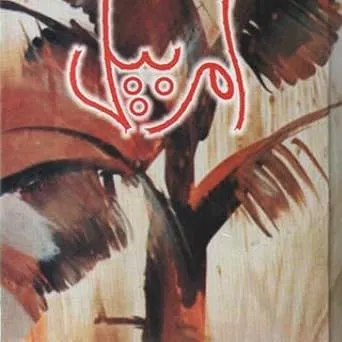
Amar Bail (امربیل) is one of the most widely read and iconic Urdu novels written by Umera Ahmed. First published in the early 2000s, it is a complex, emotionally intense, and tragic story that goes far beyond a typical romance.
## Core Plot Summary
The novel revolves around the lives of two central characters, Umar Jehangir and Aleezay Sikandar (Alizah), both coming from highly dysfunctional, broken bureaucratic families.
Aleezay is an introverted, deeply insecure young woman who lives with her grandmother following her parents' divorce and remarriages. Yearning for genuine affection, her world changes when her cousin, Umar, comes to stay with them while preparing for his Central Superior Services (CSS) exams. Umar pampers, protects, and cares for Aleezay, causing her to fall deeply in love with him.
Umar goes on to become a powerful, high-ranking government officer. However, he is a deeply complex, highly flawed anti-hero—he drinks, smokes, and actively operates within a deeply corrupt bureaucratic system, earning a reputation as a ruthless, selfish man. Despite his outward corruption, he holds a profound, guarded love for Aleezay.
## Major Themes
The Metaphor of "Amar Bail": The title refers to a parasitic vine (mistletoe or dodder) that has no roots of its own and relies entirely on a host tree to survive, eventually entangling and suffocating it. This symbolizes Aleezay’s intense, dependent emotional reliance on Umar.
Bureaucratic Corruption & Power: The book acts as a fierce critique of the Pakistani bureaucratic structure, highlighting social evils like nepotism, the lust for political power, injustice, and how individuals compromise their morals to survive in the system.
The Trauma of Broken Families: It heavily explores how the mistakes, divorces, and materialism of parents leave deep psychological scars, complexes, and insecurities on their children.
Sacrifice vs. Control: Believing his life is too dangerous, corrupt, and unstable, Umar deliberately distances himself from Aleezay and pushes her toward a "normal," safer life with his stable friend, Junaid. The novel tracks the massive emotional price both characters pay for this decision.